Systems • Identity • Trust
Human Factors
SITH
2
SITH² is a human-centered approach to systems, identity, and trust.
We help people and organizations understand how security really works in the real world. Not just how systems are built, but how they’re actually used, misused, stressed, and trusted by humans.
Technology matters. Design matters more. And humans are not a flaw in the system. They are the system.

SITH² is a human-centered exploration of how systems, identity, and trust actually work in the real world.
It looks beyond tools and checklists to examine how security succeeds or fails when real people are involved. Through teaching, speaking, and content, SITH² focuses on the decisions, incentives, and design choices that quietly shape outcomes long before anything breaks.
The goal isn’t fear or perfection. It’s clearer thinking, better design, and systems that hold up under real-world pressure.
Cybersecurity Education & Foundations
We focus on fundamentals that scale. Plain-language explanations, real-world context, and systems thinking that help people understand why security works or fails, not just what to deploy.
This includes teaching, curriculum development, and foundational guidance for technical and non-technical audiences alike.

Plaintext with Rich
A content platform and podcast dedicated to breaking down complex security topics into ten-minute, no-panic explanations.
One topic.
One takeaway.
Built so anyone can understand how modern security actually works without needing a technical background.
-62.jpg)
Speaking & Events
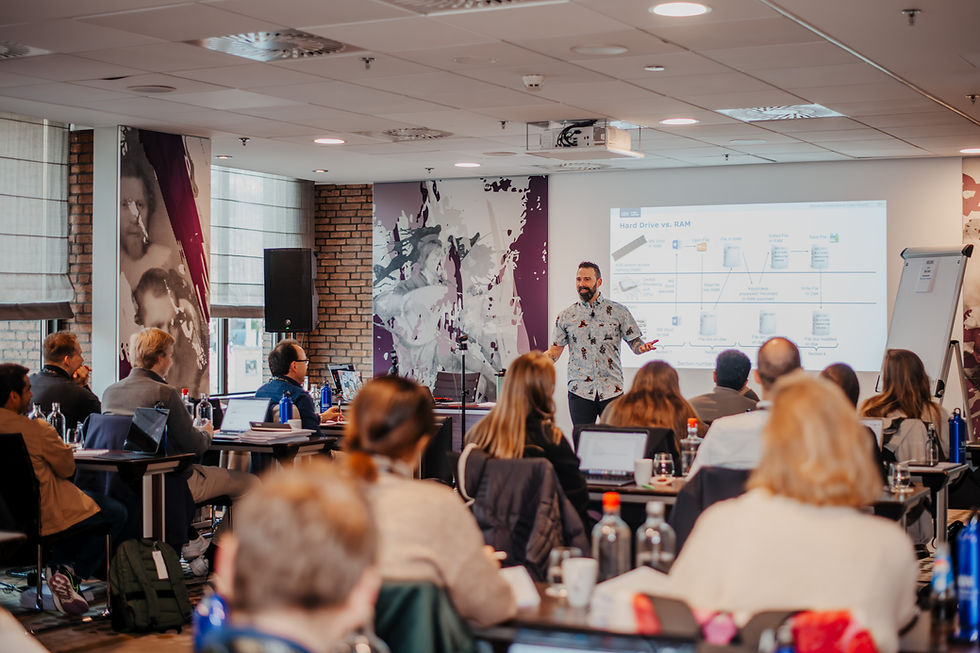
Keynotes, talks, and workshops focused on cybersecurity, identity, AI, resilience, and human-centered system design.
These sessions are built for mixed audiences. No jargon. No fear-driven narratives. Just clear thinking that people can actually apply when they leave the room.

Advisory & Thought Partnership
SITH² works with teams and leaders who want to think more clearly about risk, access, trust, and system design.
This isn’t about selling tools or frameworks.
It’s about asking better questions, surfacing hidden assumptions, and designing systems that hold up under real-world pressure.